✓ 25+ Years | Authorized Motorola Dealer

Your School's Radio System Wasn't Built for 2026

Alyssa's Law compliance, COPS SVPP grants, and the complete communication system your district actually needs—before the next emergency tests it.

  • 11 states with active Alyssa's Law mandates
  • $73M+ in annual federal grant funding available
  • FCC licensing & compliance assessment
  • Digital migration pathway from analog

Free Campus Assessment

Tell us your district size and communication needs. We'll send a complete radio recommendation within 48 hours.

⚠️ Your Current Radios May Not Meet 2026 Standards

Unlicensed radios lack encryption and cannot coordinate Alyssa's Law panic alerts. Analog systems have dead zones in multi-story buildings. Licensed, digital systems are required for compliance and emergency effectiveness.

11
States with Active Alyssa's Law Mandates
$500K
Max COPS SVPP Grant Per District
25+
Years of School Fleet Experience
2026
Compliance Deadline for Many States

The Real Cost of Outdated Radios

Your analog radios were fine in 2010. They're not fine in 2026.

Analog signals degrade with distance—you don't get silence, you get static and half-intelligible transmissions. In a busy cafeteria, a pep rally, or when someone needs to relay the exact location of a threat, "say again?" isn't inconvenient. It's dangerous.

Digital Two-Way Radios Give You:

  • Crystal-clear audio until signal boundary (no static)
  • 2x channel capacity with TDMA technology
  • 28–32 hour battery life (vs. 8–11 hours)
  • Digital encryption (privacy & compliance)
  • Emergency features (dedicated button, man-down, lone worker)

Analog vs. Digital Comparison

Audio Clarity Distorted Crystal Clear
Battery Life 8–11 hrs 28–32 hrs
Channels 1/channel 2/channel
Encryption None Full
Safety Features Voice only Emergency button, man-down

The 2026 School Radio Lineup

Five products matched to specific campus roles. Complete communication architecture for any size district.
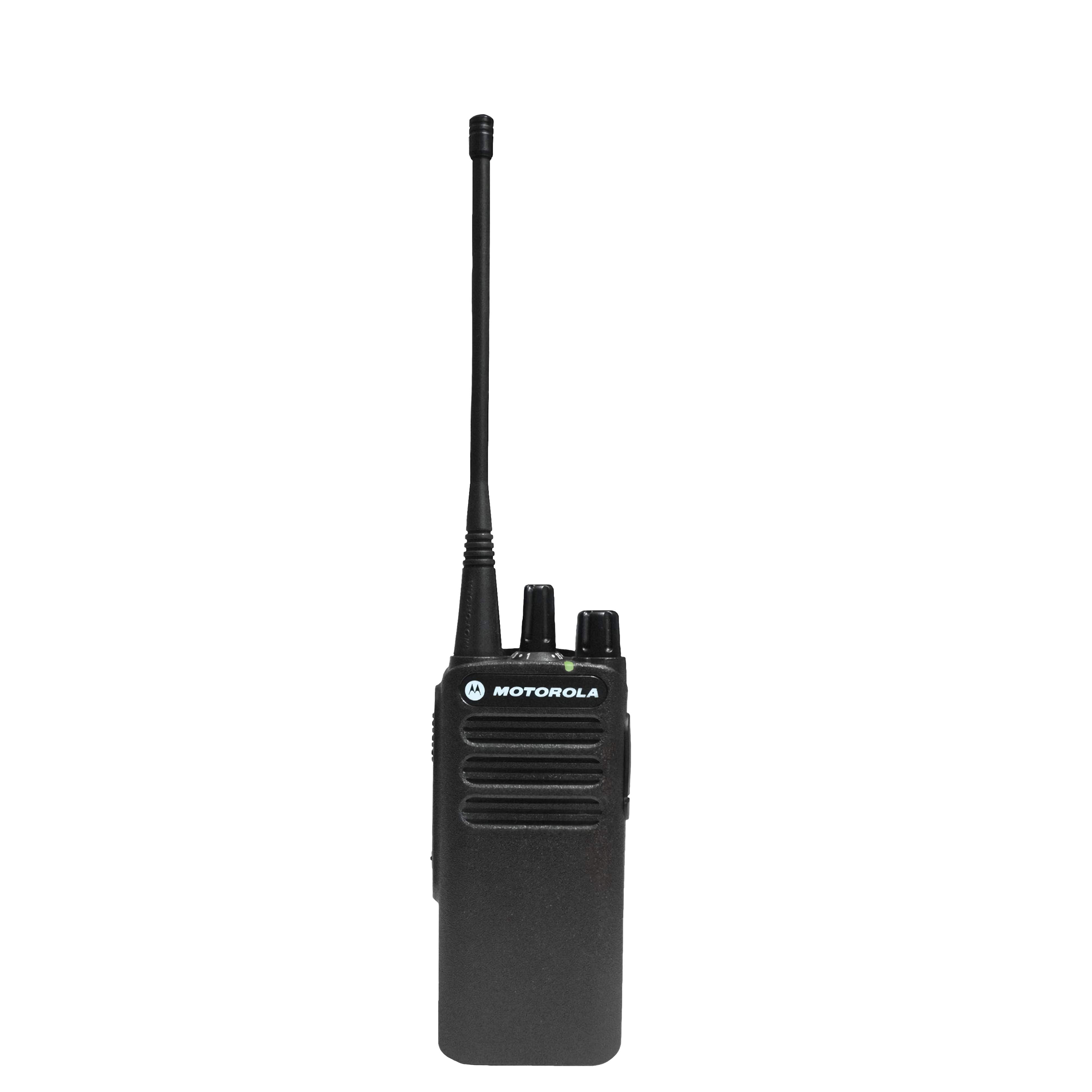
Motorola CP100d Professional Portable Radio
Budget-Smart

Motorola CP100d

Entry point that doesn't compromise. Perfect for teachers, custodians, and front desk staff.

Power: 4W UHF / 5W VHF
Battery: Up to 14.5 hrs
Durability: IP54, MIL-STD
Shop Now
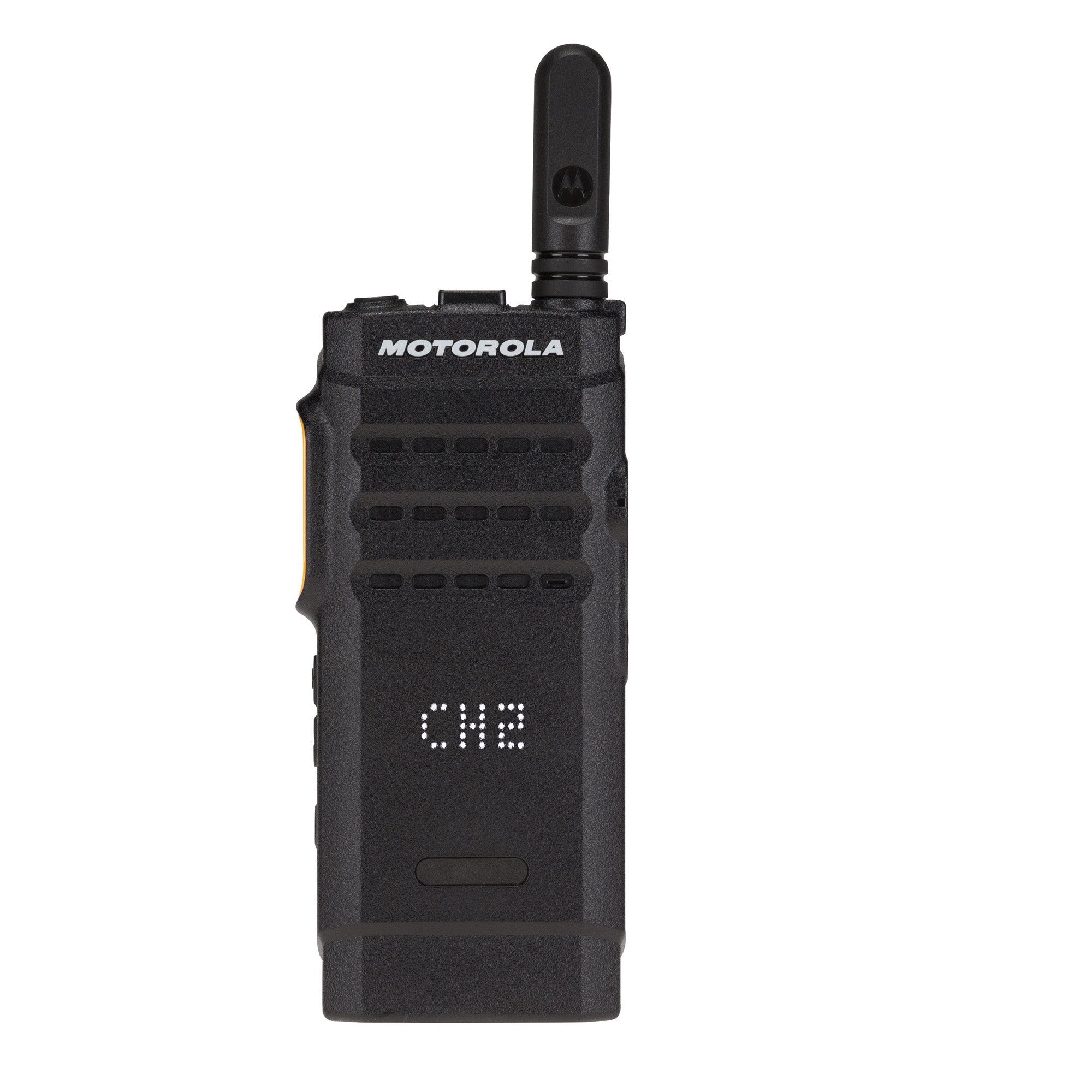
Motorola SL300 Digital Radio with Display
Discreet Professional

Motorola SL300

Less than 1 inch thick. Fits in a blazer pocket. Actually gets carried by administrators.

Power: 3W
Battery: 12–15 hrs
Durability: IP54
Shop Now
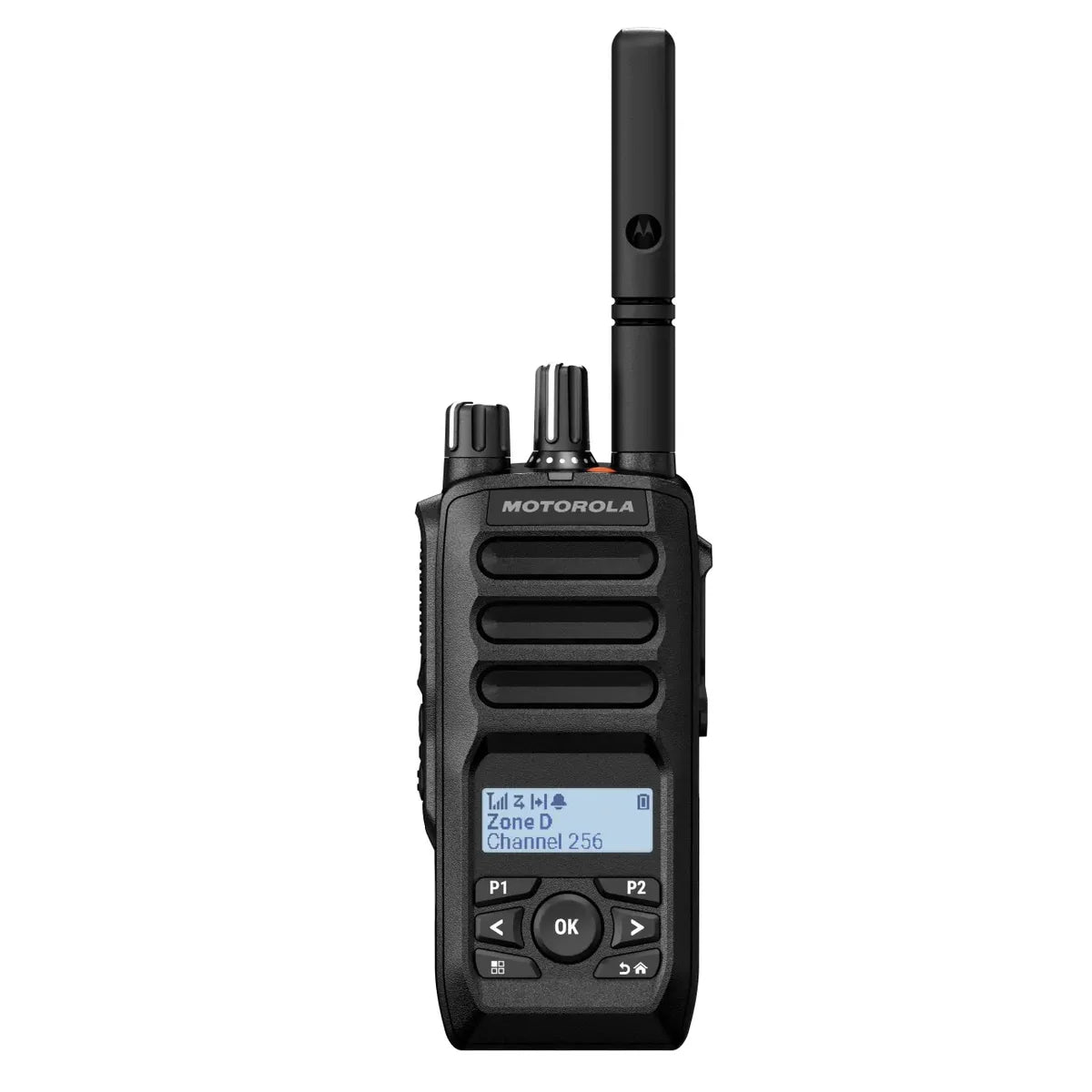
Motorola R5 Professional MOTOTRBO Radio
Next-Gen Workhorse

Motorola R5

AI noise suppression. 32-hour battery. Built for SROs and security teams in high-noise environments.

Power: 4W UHF / 5W VHF
Battery: Up to 32 hrs
Feature: AI noise cancellation
Shop Now
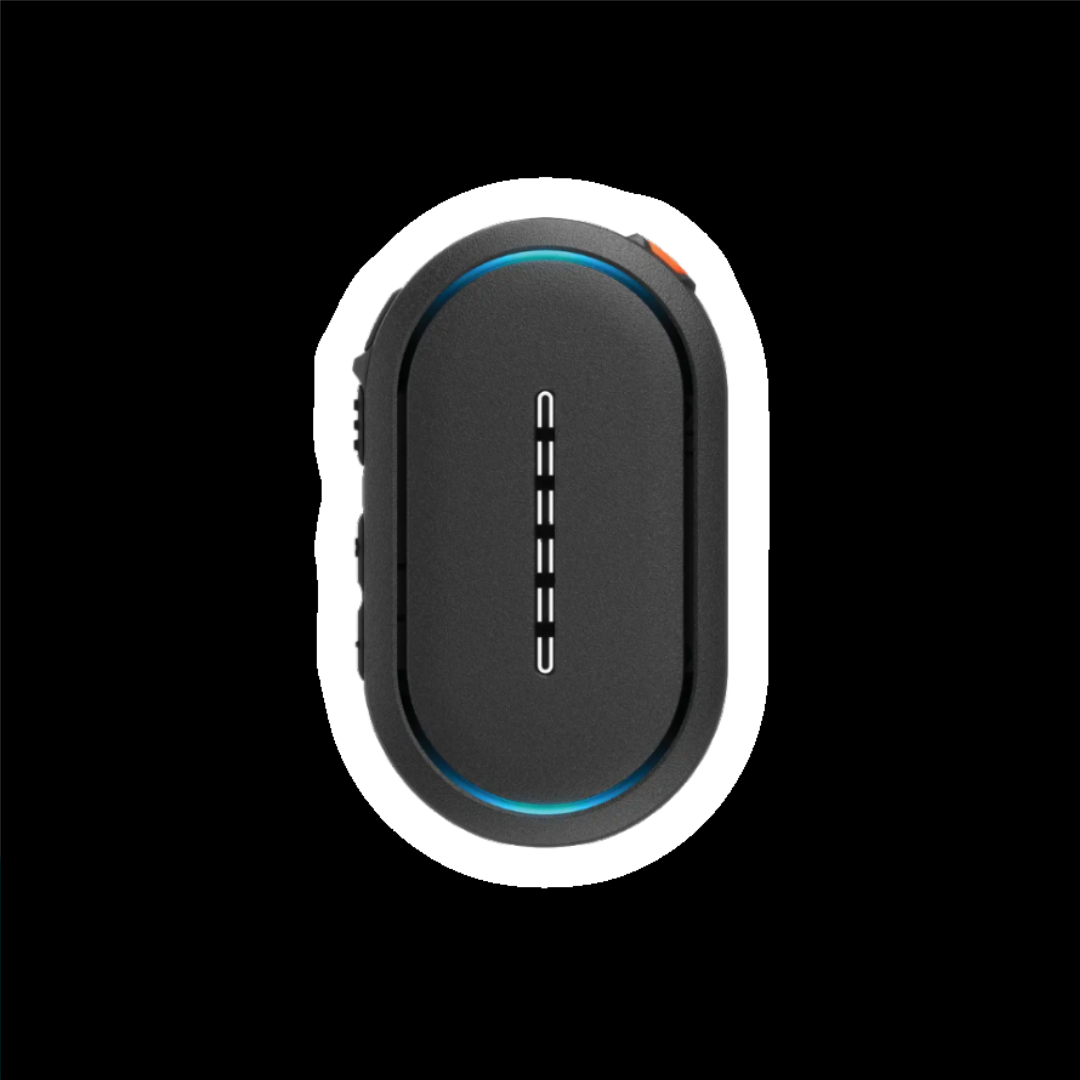
Motorola TLK25 with $0.01 Initial Cost Financing
Unlimited Range

Motorola TLK 25

Nationwide LTE + Wi-Fi push-to-talk. Bus fleet, multi-campus, traveling staff. No FCC license.

Network: LTE + Wi-Fi
Battery: 12–18 hrs
Coverage: Nationwide
Shop Now
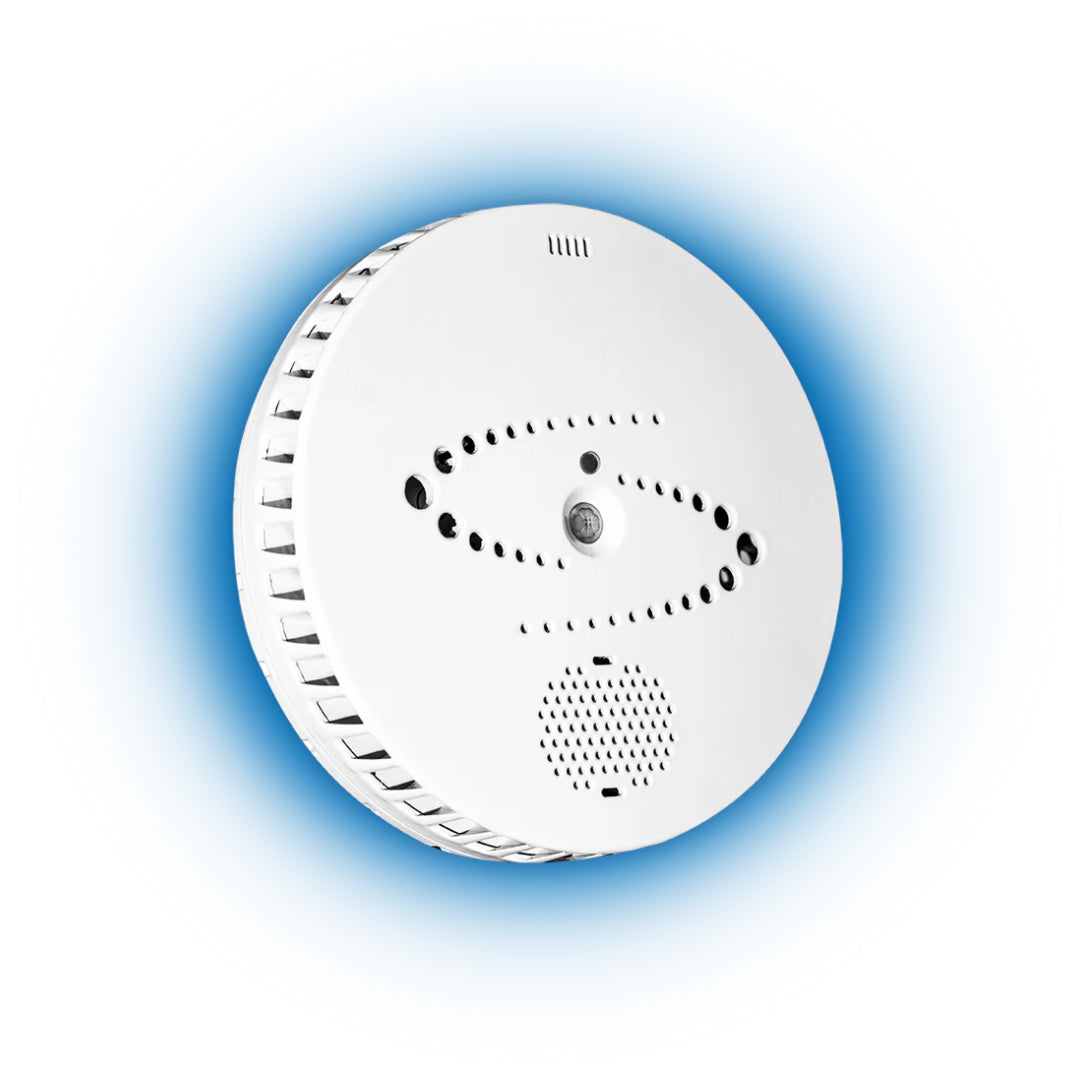
Motorola HALO Smart Sensor 3C for Vape and Air Quality Detection
Environmental Intel

HALO Smart Sensor 3C

No cameras. No audio recording. Detects vape, THC, gunshot, and aggression. Privacy-safe.

Detection: Vape, THC, gunshot
Coverage: ~144 sq ft
Privacy: No PII captured
Shop Now

Active State Grants

  • Florida: $6.4M + $14M (Alyssa's Law)
  • Tennessee: $40M school safety
  • Ohio: $25M (HB 106)
  • Washington: $6M security
  • Oregon: Up to $2K/school

Programs cycle annually. We track deadlines.

Funding Available Right Now

Federal funding designed specifically for school communication upgrades is available every year. Two-way radios are explicitly listed as an approved expenditure.

COPS SVPP Grant

School Violence Prevention Program (U.S. DOJ) — FY25 distributed $74M to 211 recipients. Awards up to $500K per district over 36 months. Requires 25% local match (waived for rural/low-resourced).

Key statutory language: "Technology for expedited notification of local law enforcement during an emergency." That's the purpose area that covers radios.

The 10-Point Campus Communication Audit

Walk your campus and answer these honestly. Every gap has a clear, fundable solution.

  1. Dead Zone Test: Can you hear clearly in basement stairwells? Furthest outdoor point? If not, you have coverage gaps.
  2. Simultaneous Load Test: During dismissal, can three staff transmit at once without jamming?
  3. Battery Endurance Audit: Check levels at 3 PM. Any below 20% won't survive after-school events.
  4. Carry Compliance Count: How many assigned staff actually carry their radio? Less than 80% = design problem.
  5. Licensing Verification: Do you have FCC documentation? Are radios matched to licensed frequencies?
  6. Encryption Check: Can transmissions be picked up by a consumer scanner? That's a security leak.
  7. Emergency Button Inventory: How many radios have a dedicated physical emergency button?
  8. Integration Assessment: Does your radio system connect to PA, alerts, or security? Or isolated?
  9. Privacy Area Coverage: What monitoring in bathrooms/locker rooms? (Camera-free required.)
  10. Grant Readiness: Could you submit a complete COPS SVPP application in 45 days?

Your Next Step

You've read the compliance landscape, the technical comparison, and the product lineup. Here's the honest summary:

Your current radios are partially working, partially sitting in drawers, and fully unprepared for what's coming in 2026.